


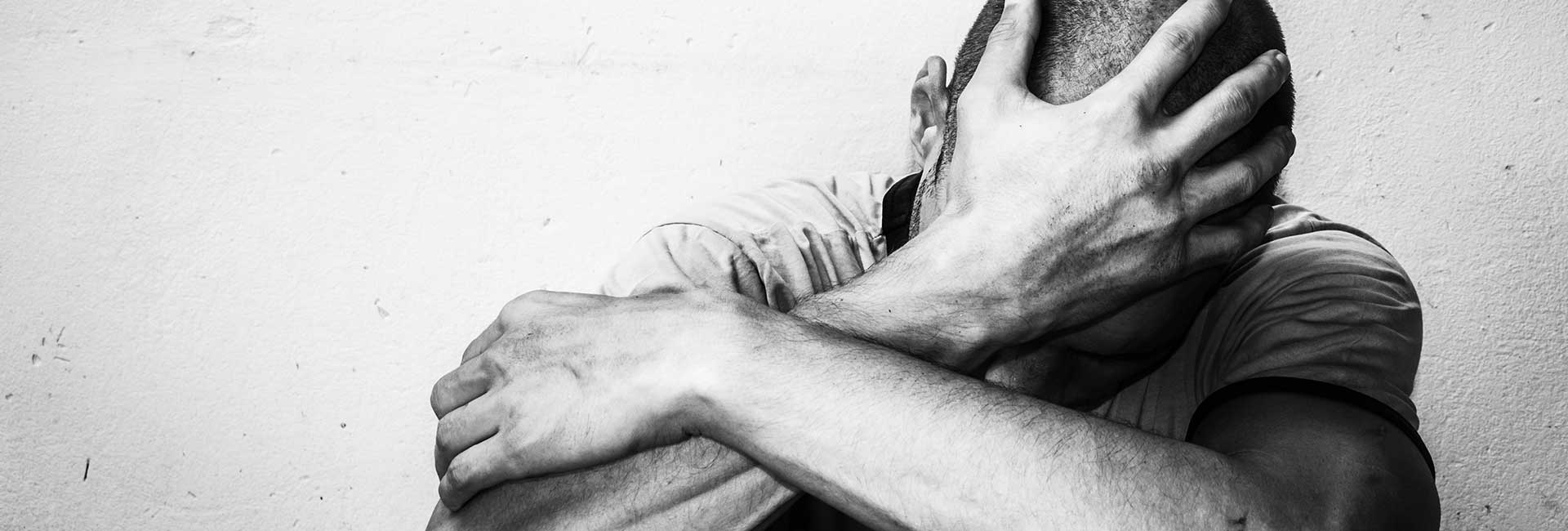
Mens Mental Health Services
Click on a link below to view more information about the following common mental health issues we offer professional help and support with. We work with many other mens mental health issues that may not be listed here, call me to discuss your individual needs.
If you are feeling impacted by your mental health, don’t leave it. Call me today!
Anxiety
What is anxiety?
Everyone experiences anxiety from time to time. Normal worry can be motivating — it can help you with things such as getting to work on time or studying for a test. But in some people, anxious feelings don’t go away and are out of proportion to the situation.
High levels of anxiety affect your ability to: concentrate, sleep and carry out ordinary tasks.
What are anxiety disorders?
Anxiety disorders are the most common group of mental health conditions in Australia. They affect 1 in 4 Australians at some stage in their life.
Having an anxiety disorder is not just a matter of feeling too anxious. People with anxiety disorders have ongoing fears that cause distress and stop you from doing things you want to and should be doing.
Types of anxiety disorders include:
- Generalised anxiety disorder: excessive, uncontrollable worry about everyday issues such as health, work or finances.
- Social phobia or social anxiety disorder: a disorder that causes people to avoid social or performance situations for fear of being embarrassed or rejected.
- Panic disorder: regular panic attacks, which are sudden intense episodes of fear, worry about more attacks and avoiding situations where panic attacks may happen.
- Agoraphobia: avoiding certain situations due to fear of having a panic attack. Agoraphobia is often associated with panic disorder.
- Specific phobias: fears that only apply to one particular situation, such as a fear of: animals, insects, places or people. For example, claustrophobia is a fear of enclosed or confined spaces.
- Obsessive compulsive disorder (OCD): unwanted thoughts and impulses (obsessions), causing repetitive, routine behaviours as a way of coping with anxiety.
- Post-traumatic stress disorder (PTSD): when feelings of fear do not fade after experiencing a traumatic life event. It involves upsetting memories, flashbacks, nightmares and difficulties sleeping.
What are the symptoms of anxiety disorders?
One of the main symptoms of anxiety disorders is having difficulty managing your fears and worries. You might become overwhelmed by your anxious thoughts.
Anxiety may cause you to feel:
- apprehensive or powerless
- like something bad is about to happen
- like you’re in danger
- like your mind is racing
It may also cause difficulty concentrating and memory problems.
People who have an anxiety disorder may avoid situations that make them feel anxious. This can affect your everyday life. You might excessively worry about the past, present or future and have trouble thinking about anything else.
Each type of anxiety disorder has different specific symptoms.
What are the physical symptoms?
There are some physical symptoms that can affect people with anxiety such as:
- panic attacks — sudden, intense episodes of fear
- shortness of breath
- dizziness
- a racing or pounding heart
- sweating
- problems sleeping
- a churning stomach or ’butterflies in the stomach’
- ‘pins and needles’
- feeling lightheaded
- trembling
- feeling very thirsty
Depression
What is depression?
Depression is a serious mental health condition that affects how you feel, think, and manage daily activities. It can make you feel sad, angry, irritable or empty and lose pleasure or interest in things you usually enjoy. While it is normal to feel down sometimes, if you feel this way for 2 weeks or more you may be experiencing depression.
How common is depression in men?
Depression is common — it affects 1 in 8 men at some point in their lives. Depression can put people at risk of suicide. Sadly, 7 men die by suicide every day in Australia.
Suicide and crisis support: If you or someone close to you is in crisis, or at immediate risk of harm, call triple zero (000). To talk to someone now call Suicide Call Back Service 1300 659 467 or Lifeline 13 11 14.
What are the signs of depression in men?
The signs of depression affect different people in different ways. It can involve changes in the way you think, feel or behave.
For example, you may feel:
- irritable, angry or frustrated
- sad or empty
- disappointed
- indecisive or overwhelmed
- helpless or hopeless
- guilty
You may think negative thoughts, such as:
- you are not important or valuable (low self-esteem)
- people would be better off without you
- life is not worth living
- you are a failure
You may start behaving differently, for example, by:
- not going out with friends or family
- not managing as well as you normally do at work or school
- escaping into work or sports activities
- not doing activities you normally look forward to
- relying on drugs or alcohol
- not being able to concentrate
- behaving recklessly
You may also notice physical signs such as:
- difficulty sleeping or feeling tired
- changed appetite
- feeling run down or unwell
- loss of sexual desire or performance
- headaches and muscle pain
- stomach pain
PTSD
What is PTSD?
Post-traumatic stress disorder (PTSD) is mental health disorder that can occur after experiencing a traumatic event.
It’s common to have feelings of fear and anxiety after a traumatic event. In some cases, these feelings can last for a long time and affect how you cope with everyday life. If these symptoms continue to persist more than a month after traumatic event, they may be a sign of PTSD.
About 12 in every 100 Australians will experience PTSD at some time in their lives.
What causes PTSD?
PTSD can be caused by experiencing or witnessing a traumatic event. This could involve serious injury, sexual violence, a potentially life-threatening situation or death. It can also be caused by hearing about a traumatic event that happened to someone close to you.
Experiences that can potentially lead to PTSD include:
- serious accidents
- natural disasters such as bushfires, floods and earthquakes
- living in a war zone, or experiencing war in the military
- sexual or physical assault
- torture or terrorism
- seeing people hurt or killed
Although a relationship break-up or losing a job can feel devastating, these are not the type of events that cause PTSD.
What are the symptoms of PTSD?
Everyone is affected differently by PTSD. Symptoms of PTSD usually start soon after the traumatic event, but sometimes they take several months to appear.
There are 4 types of PTSD symptoms.
Re-experiencing the trauma
Symptoms of this type include:
- repetitive memories (or flashbacks) that are hard to control and intrude into everyday life
- nightmares
- extreme distress caused by reminders of the trauma
- physical symptoms such as a racing heartbeat, difficulty breathing, sweating or panic attacks when reminded of the trauma
Avoidance
Symptoms of this type include:
- avoiding places, people or objects that may trigger memories of the traumatic event
- not wanting to talk or think about the event
Negative thoughts and mood
Symptoms of this type include:
- blaming yourself or others for the traumatic event
- feeling numbness, depression, anger or guilt
- not being able to remember the traumatic event
- no longer enjoying favourite activities
- becoming emotionally detached from others
Increased alertness
Symptoms of this type include:
- frequently scanning the environment for signs of danger
- being easily startled
- irritable or aggressive behaviour
- difficulty sleeping
- poor concentration
Sexual Functioning
What is sexual dysfunction?
It is important to check with your doctor for any physical causes for difficulties in sexual functioning. Sometimes your sexual functioning can be caused by psychological factors. Either way, there will be benefit from engaging with a psychologist to investigate, mitigate or adjust to the impact of sexual functioning.
Delayed ejaculation?
Delayed ejaculation is when you have difficulties reaching orgasm and ejaculating. Ejaculation either takes much longer than desired or does not happen at all. Delayed ejaculation can be a temporary or a lifelong problem. It's normal to experience it from time to time, and is only a problem if it is worrying you or your partner.
Mental health conditions and psychological factors can also be related to delayed ejaculation. These can include:
- anxiety
- depression
- relationship issues
- performance anxiety
- fears of pregnancy or intimacy
- stress
Loss of male libido?
Low libido or low sex drive refers to a lack of interest in sex and sexual desire. Sexual desire often rises and falls over time for no apparent reason. It is very common for people to lose interest in sex (low sex drive or, low libido), from time to time.
What causes low libido?
Low sex drive can be caused by physical and psychological factors. Your libido can rise due to things like relationship pleasures, good health, fitness, holidays and relaxation.
Your libido can fall due to things in your life like relationship problems, the birth of a child, stress, overwork, too much or not enough exercise, or personal issues.
Other things that can impact your sex drive include:
- low levels of the hormone testosterone
- anxiety, depression or fatigue
- being in pain
- some medicines, such as antidepressants, high blood pressure medication and epilepsy medication
- alcohol, smoking or drugs
- some medical conditions like obstructive sleep apnoea or diabetes
- negative sexual experiences and low self esteem
- history of unwanted sexual contact
- trauma or post traumatic stress disorder (PTSD)
What strategies can help improve my sex drive?
If you have low libido (low sex drive) because of stress, personal or relationship issues, it may be helpful to talk to your partner about how you are feeling. Not talking about it can sometimes make sexual issues more difficult.
You may feel uncomfortable talking about sex. Try asking your partner how they feel about your sex life first.
If you lose interest in sex for no apparent reason, and you or your partner are worried about it, talk to your doctor.
Remember there’s more to sex than having intercourse. If your interest in having sex has decreased, you may want to try some more sensual methods of becoming aroused. These include:
- exploring and caressing each other’s bodies
- taking a bath or shower together
- having a massage
- kissing each other slowly and in sensual places (such as the thigh)
- undressing each other
- experimenting with different sexual techniques alone or with other
Erectile dysfunction
Erectile dysfunction means not being able to obtain or keep an erection sufficient for sexual intercourse. Many people have erectile dysfunction at some time in their lives. It can come and go.
Erection problems affect around 2 in every 3 males over the age of 45 years. More than 1 in every 10 males cannot have erections. The problem is more common if you are older.
Erectile dysfunction is also known as ED or impotence.
Psychological factors that can cause erectile dysfunction include:
- unresolved problems, conflicts or issues within a sexual and emotional relationship
- anxiety about sexual performance (this is most common at the start of a new relationship, especially if you have had previous problems with sexual performance)
- stress
- mental health conditions such as depression or anxiety
Premature ejaculation
Premature ejaculation is when you have trouble controlling when you orgasm, and it happens too fast.
Premature ejaculation is the most common sexual problem to affect males. Many people ejaculate prematurely, or 'come too early', at some point in their lives.
There is no fixed time that you take to ejaculate. Premature ejaculation is normally considered when you ejaculate within one minute of your penis entering your partner. Premature ejaculation can also happen during foreplay, or when you are trying to insert your penis during sex.
If premature ejaculation happens occasionally, that's usually not a worry. But if you regularly come earlier than you would like, then it is an issue to think about.
Some people have premature ejaculation all their life, and some develop it. Premature ejaculation can happen at any age, but it's more common in younger males. This is because ejaculation tends to take longer as you get older.
Sometimes premature ejaculation is a lifelong problem that starts the first time you have sex. This may be due to:
- abnormal hormone levels
- genetic causes that affect the signalling between nerves
Premature ejaculation can also develop after a period of normal ejaculation. It's usually due to another problem like:
- performance anxiety
- generalised anxiety
- stress
- erectile dysfunction — about 1 in 3 people with premature ejaculation also have erectile dysfunction
- psychological or relationship problems
Alcohol and drug abuse can make premature ejaculation worse.
Counselling can help you identify any underlying psychological, sexual or relationship issues. It can also help improve other problems related to premature ejaculation, such as anxiety.
Stress
What is stress?
Stress is a common and normal physical response to challenging or new situations. Stress has both mental and physical aspects. When you are stressed, your body releases stress hormones such as adrenaline. This brings on physical changes in your body, which help you respond to the stressful situation.
While everyone will feel stress at times, each person’s experience will be different. Knowing what makes you stressed and how you respond to different challenges in life will help you manage stressful periods.
The body’s stress response, also called the ‘fight or flight’ response, is a helpful way your body has adapted to respond to danger. When you experience episodes of stress you need the stress hormones your body releases to keep you alert and able to face challenges.
Stress becomes a problem when it lasts a long time, or if you feel overwhelmed and unable to cope with your situation. When this happens, it is time to take steps to manage your stress to ensure that you are able to function well at work and at home.
The point where stress is no longer productive is different for everyone, but you might look out for the following clues:
- feeling overwhelmed or unable to cope
- feeling ‘on edge’ or unable to stop worrying
- changes in sleep patterns, feeling exhausted
- changes in appetite
- physical reactions such as headaches, muscle tension, upset stomach
- difficulty concentrating
- changes in mood, irritability, or anger
- withdrawal from friends and family
- reliance on alcohol or other substances to cope
- thoughts of self-harm or suicide
- Use your strengths and skills to make a positive plan to address the stressful events in your life and how you’re reacting to stress.
How can I manage my stress?
It’s not always possible to prevent stress altogether — life can be stressful. If you remember that some stress can be positive and motivating, you can aim to find the right balance between productive stress and an unhelpful level of stress.
Whether your stress is internal or external, relaxation techniques can help you manage stress and boost your ability to cope. There are many different techniques, and it’s important you find the ones that work for you. Examples include slow breathing, progressive muscle relaxation, mindfulness, meditation, yoga, and exercise.
A friend or family member can also be a great source of support, but at times you may feel you need help from a professional. Psychologists use a range of approaches to help manage stress and anxiety. One evidence-based approach is a technique known as cognitive behavior therapy (CBT) which is based on the idea that how you think and act affects how you feel.
Anger
What is anger?
- Anger is a normal human emotion that can range from mild annoyance to intense rage. But it's how you show your anger that matters.
- Anger is not a mental health condition itself.
- Problem anger can be addressed by psychological therapy.
- If you don't control your anger, it can lead to aggressive behaviour and violence. It's not okay to express anger in ways that can hurt you, other people or objects.
If you think you have problems managing your anger, it may help to ask yourself these questions:
- Has anger caused any problems in your relationships or work life?
- Do you sometimes have trouble controlling your behaviour when you're angry?
- Have you ever been angry and later regretted what you did?
- Have you ever become so angry that you damaged things or became abusive or violent?
- Have other people mentioned that anger might be a problem for you?
- Frequent unmanaged anger can damage your health and relationships.
Relationships
Relationship Difficulties ?
Arguments and disagreements occur within all close relationships, and are a normal part of dealing with differences in ideas, beliefs, and perspectives.
However, chronic relationship conflict and stress is a serious issue. It has been linked to poorer mental and physical health1 and can affect other areas of life such as relationships with family and friends, and work colleagues2. Children also suffer when exposed to high levels of conflict at home, and are at greater risk for anxiety, depression, behavioural problems, and poorer health.1
There is no one, single cause for relationship problems, but a number of factors can play a part. Any relationship problems may be impacted by your past experiences, life transitions and stressors, thinking patterns, and your patterns of behaviour.
Learning effective and respectful ways to communicate differences is an important step in building a healthy, fulfilling relationship, and which can benefit our overall wellbeing and those around us. Learning to identify, process and express your emotions in a healthy way may be highly beneficial in your daily life and relationship. Learning how to tolerate and demonstrate intimacy and affection may sound challenging, but is likely to positively influence the quality of your relationship. And at times we can develop a negative view of our partners or relationship that significantly reduce the connection we feel. Exploring if we have developed any negative or unhelpful thinking styles, and learning how to shift this can also lead to opportunities to improve our relationship quality.
Cognitive Clarity is not a relationship or couples counselling service, as it focuses on individual therapy for men. If you require ‘couples counselling’ you may want to contact Relationships Australia or a similar specialist organisation.
The focus in working with Cognitive Clarity will be for helping men explore and address their individual contributors to any relationship difficulties. This can often enhance the effectiveness of couples counselling. As you develop insight and clarity into your own background and behaviours, and learn how to manage these effectively, you are likely to see an improvement in overall quality of life and relationship. While not a couples counselling service, your partner is welcome to attend sessions with you, with your consent.
Substance Misuse
Substance abuse
- Cognitive Clarity is not an alcohol and other drugs counselling service. If this is your primary concerns, you would benefit from accessing a specialist service. If substances like drugs and alcohol form a part of your overall concerns, such as a coping strategy for depression, then we can support you.
- Substance abuse involves using too much alcohol or other drugs, often leading to problems with health and everyday functioning.
- Around 1 in 20 Australians has an addiction or substance abuse problem. It can result in changes and long-term damage to your brain and other organs.
- Many treatment options are available for substance abuse, ranging from counselling through to hospital treatment.
What to look for if you suspect substance abuse
Signs that you or someone you know might be abusing a substance include the following.
- Regularly using more of a substance than intended.
- Regularly trying to cut down or stop using, but never succeeding.
- Spending too much time getting, using or recovering from the substance.
- Cravings, or a strong desire to use the substance.
- Using substances again and again, even when you're aware of the potential damage or danger.
You should also look out for signs of the impact on your life.
- Often failing to meet responsibilities at work, home or school because of substance use.
- Continuing to use a substance when it has caused relationship problems.
- Giving up social, work or leisure activities because of substance use.
- Dangerous or risky behaviour, such as criminal behaviour, drink driving or having unprotected sex.
- Continuing to use, even when you know you have a physical or psychological problem that could have been caused or made worse by the substance.
How does substance abuse affect mental health?
People with a mental illness experience drug problems at a higher rate than the general community.
Having a mental illness can make you more likely to abuse drugs to lessen your symptoms and make you feel better in the short term.
In other people, drug problems may trigger the first symptoms of mental illness. Drug use is also a risk factor for suicidal behaviour.
How is substance abuse treated?
Many treatment options are available for addictions and substance abuse. These range from counselling through to hospital treatment.
Treatment depends on which substance is involved and how dependent you are on the substance. It may also depend on your level of risk and how much support you have at home.
Treatment options include:
- lifestyle changes
- individual or group counselling
- peer support
- rehabilitation (rehab) programs
- residential or hospital treatment
- social support